
Tax Planning
EEA Advisory articles tagged Tax Planning.

Cents Per Kilometre vs Logbook for Car Deductions in 2026
For the 2025–26 income year, Australians can choose between two methods to claim car deductions on their 2026 tax return. The cents per kilometre method uses a fixed rate of 88 cents for each work-related kilometre with a 5000 kilometre cap, while the logbook method lets you claim a percentage of actual running costs without any kilometre limit. This guide explains both methods in detail, outlining the record keeping requirements and ATO rules. Decide which approach best suits your needs and potentially boost your refund.

Are Dual Cab Utes FBT Exempt in 2026
This blog post explores the Fringe Benefits Tax implications for dual cab utes in the 2026 FBT year. It explains that a dual cab ute only qualifies for an FBT exemption if it meets the ATO eligibility criteria and if private travel remains minor and infrequent. If a vehicle is used for regular family trips or shopping, it becomes subject to FBT just like a passenger car. The article debunks common myths and outlines the dual hurdles of engineering and behavioural requirements that employers must meet. It offers practical insights for managing FBT risks effectively.

What Happens to a Family Business When a Director Dies
When an Australian family business loses a director, the company remains alive as a separate legal entity. It can continue trading, paying staff and entering contracts. The future depends on having other directors, share ownership, and a valid will with an appointed executor. Understanding these legal threads keeps the enterprise thriving, avoids conflict and protects family wealth.

SMSF vs Industry Super Fund and How to Set One Up in 2026
Australians face a growing debate between self managed and industry super funds as their retirement savings evolve. This guide clearly explains the control, fees and lifestyle factors that set SMSFs apart from larger industry funds. It walks through practical steps to set up either option under the latest rules. Written in plain English and based on current regulatory guidelines, this article offers essential information for everyday retirement planning.

What Is Your Business Worth When You Sell in Australia
Selling your business in Australia requires understanding its true worth and the many factors that shape the final sale price. This guide explains how professional valuers use earnings, assets and risk assessments to measure value. With clear Australian examples and fresh data, the article shows how planning ahead can help you prepare for lawyer, accountant and tax office costs. It offers practical steps that turn valuation into a strategic tool for success.

How Debt Recycling Works for Australian Business Owners
Australian business owners can benefit from debt recycling which converts non deductible mortgage debt into tax deductible investment debt. This strategy uses spare cash to reduce the principal on the home loan while reborrowing funds for investment. Over time more of the interest expense becomes deductible and investment wealth builds gradually. The guide explains how to implement debt recycling safely and compliantly with practical steps for success.

How Family Trust Distributions Are Taxed in Australia (2026)
Family trusts remain a popular structure among Australian families and small businesses because they offer flexible ways to distribute income and protect assets. This guide explains how trust income flows to beneficiaries under current tax law and examines present entitlement rules. It details the Family Trust Election framework and the risk of an unexpected forty seven per cent tax bill. An upcoming reform proposing a minimum tax of thirty per cent from July 2028 highlights the need for careful future planning.

NDIS provider accounting and tax compliance — sole-trader vs company structure
Choosing the right business structure plays a crucial role for NDIS providers in Australia. In this article we explain how operating as a sole trader offers simplicity, lower cost and fewer administrative demands. However a proprietary limited company provides stronger liability protection and better opportunities for growth when managing larger service agreements and investors. Readers will gain insight on how each structure affects tax, governance and compliance obligations, helping them align their risk appetite and future plans with the most suitable option.

ATO debt and payment plans: negotiating with the ATO when cash flow is tight
Dealing with tax debts can leave business owners feeling overwhelmed when cash flow is tight. This guide explains how ATO payment plans let you pay off tax debts in manageable instalments. It outlines what the ATO expects and the documents needed to secure a practical repayment plan. Learn effective strategies to negotiate terms that fit your business needs while avoiding further penalties.

Single Touch Payroll Phase 2: the reporting fields most employers still get wrong
Many Australian employers continue to face avoidable errors in STP Phase 2 payroll reporting. This article identifies the seven most problematic reporting fields and explains why details like income streams and tax status matter. It provides practical steps for refining payroll data and avoiding penalty notices. With clear guidance and actionable tips, payroll officers can keep their systems up to date while ensuring compliance and employee satisfaction.

Reportable Fringe Benefits Amount (RFBA) on payment summaries — what employees should know
Australian employees frequently notice the term Reportable Fringe Benefits Amount in their income statements. The figure reflects the grossed-up value of non-cash benefits provided by an employer. Although not added to taxable income, it can impact means-tested benefits. This guide explains in plain english how the amount is calculated, why it appears, and practical steps to take when planning salary packaging and assessing tax obligations.

PAYG withholding variation: when it pays off for AU contractors and investors
A PAYG withholding variation allows taxpayers to adjust tax withholding to better match their year-end liability. This guide explains the process for contractors and property investors, detailing when to apply a variation and when to leave things as they are. It explores how upward and downward adjustments can improve cash flow throughout the year. The guide also highlights the ATO oversight and the benefits of tailoring withholding to expected tax outcomes.

Building & construction industry retention payments — accounting treatment under AASB 15
Retention payments present both opportunities and challenges for Australian builders. They secure a percentage of progress claims as a safeguard while impacting cash flow. Under AASB 15, revenue is recognised when performance obligations are met, even if cash is withheld. Accurate classification, journal entries, GST timing, and reconciliation are vital for compliance and smooth financial reporting. This article explains the effects on building contracts and trust account requirements across various states.

Director loans and Division 7A in 2026: avoiding deemed-dividend traps
Directors in private companies know the nerve-wracking moment when personal use of company funds raises red flags. Division 7A can reclassify these loans as unfranked dividends that incur heavy tax at the top marginal rate. In 2026, increased ATO scrutiny and higher interest rates heighten the risk of costly penalties. Directors can protect profits by ensuring full repayments or establishing a complying written loan agreement. Read on to discover practical guidance and insights.

Instant asset write-off in 2026: eligibility thresholds, traps and end-of-financial-year timing
Australian small business owners have a golden opportunity with an elevated asset write off before 30 June 2026. Eligible businesses can claim an immediate deduction for qualifying depreciating assets costing up to $20,000, which improves cash flow and reduces taxable income. This guide explains the rules in plain language and provides practical timing tips that help you avoid common pitfalls. It is essential reading for those wishing to maximise tax benefits before the threshold falls.

What Does SAV Mean When Selling A Business?
Understanding Stock at Valuation is crucial for both buyers and sellers in business transactions. This guide explains how SAV is used to adjust the final sale price by accounting for current inventory values. It highlights the process of a joint stocktake conducted just before settlement to ensure fair pricing. The article compares SAV with WIWO labels and answers common legal and tax questions. Readers gain a clear insight into an important pricing mechanism in the Australian market.

What is Bunnings Warehouse PowerPass and is it worth it for small businesses in Australia?
Bunnings PowerPass offers registered Australian small businesses exclusive trade prices and digital tools with no membership fee. The account provides deferred payments, helping businesses manage cash flow while saving money on bulk purchases. Each transaction flows seamlessly into an online portal and mobile app for easy integration with accounting systems. With genuine savings and improved efficiency, PowerPass is a smart solution despite a few downsides such as variable discount depths and the risk of interest on late payments.

Australia Fuel Excise Cut Impacts Fuel Tax Credits
In 2026 Australia temporarily reduced fuel excise rates by half for three months, impacting the Fuel Tax Credit program. The cut lowers charges on unleaded petrol and diesel as well as the eligible credit, which may raise net fuel costs for many enterprises. Businesses with accurate fuel records benefit by receiving the correct refund, while others risk under- or over-claiming. The article explains the law behind the temporary reduction and offers practical steps for finance teams to stay compliant and maintain healthy cash flow.

Australia Capital Gains Tax Discount in 2026
Australia’s capital gains tax discount continues to be a fixture in the tax landscape in 2026. This article explains how the discount, introduced in 1999, allows individuals and trusts to halve their taxable gain after holding assets for over twelve months while superannuation funds benefit from a one third reduction. It explores recent Senate inquiries, Treasury costings and political debates that keep reform options on the table. Read on for insights on how proposed changes may influence investors, the property market and the broader economy.

Will the 50% CGT Discount Survive 2026 Budget?
Investors face uncertainty as debate heats over whether the 50% CGT discount will remain unchanged in the 2026 Federal Budget. The article explains that although no legislation has altered the long‐standing rules, Treasury officials and parliamentary bodies have modelled scenarios with a lower discount. It reviews the current conditions for individuals, trusts and superannuation funds under Division 115 and outlines the policy debate surrounding future reforms. Practical strategies are provided to help investors safeguard after tax returns and plan for any changes ahead.

Effective Tax Strategies for Australian High-Income Earners
This blog post details how Australian high-income earners can treat tax as a manageable expense to save money and build long-term wealth. It explains that by applying compliant tax strategies, someone earning $250,000 a year can reduce their annual tax bill by more than $30,000. The post reviews the updated tax brackets for the 2025-26 financial year and examines surcharges that affect superannuation. It offers practical steps to implement these strategies before 30 June and navigate the evolving tax landscape.

Payday super is the most significant superannuation change
The new payday super reform means that every Australian business must pay superannuation within seven business days of paying salaries instead of quarterly. This impacts businesses of all sizes and requires more frequent cash outflows, challenging traditional payroll routines. The article explains how careful planning and the right tools can help small businesses protect cash flow, maintain ATO compliance, and strengthen staff trust. It offers detailed guidance on managing these changes and mitigating risks of falling behind.

Australia commits to OECD Crypto Asset Reporting
Discover why the OECD Crypto Asset Reporting Framework matters for Australians and act now to secure your records before ATO scrutiny.

Master ATO 2026 Tax Prep for Brisbane Businesses
Brisbane small business owners must act now to prepare for ATO 2026 changes. Upgrade software, manage cash flow and secure success. Get started today

Unlock Hidden Wealth and Dodge ATO Tax Risks
Discover how the ATO targets Australia’s wealth transfer and learn smart strategies to secure your family legacy. Act now to protect your assets.

Unlock Inheritance Tax Strategies Australia 2026
Discover how inheritance tax affects your estate in Australia. Learn strategies to manage capital gains and super death benefits. Start planning today

Powerful Family Trust Strategies for Tax Success 2026
Unlock tax benefits with a family trust in Australia. Discover expert strategies for loss concessions and compliant distributions. Act now.

Retire Comfortably on 500K in Australia
Discover how to retire on 500K with smart investments and government support. Secure your future now and enjoy a comfortable retirement.

Secure Brisbane Business Succession Now
Brisbane’s business community thrives yet many owners lack a documented succession plan. This article reveals why the succession gap exists and examines legal challenges while offering a practical ninety-day roadmap to secure wealth and protect your legacy.
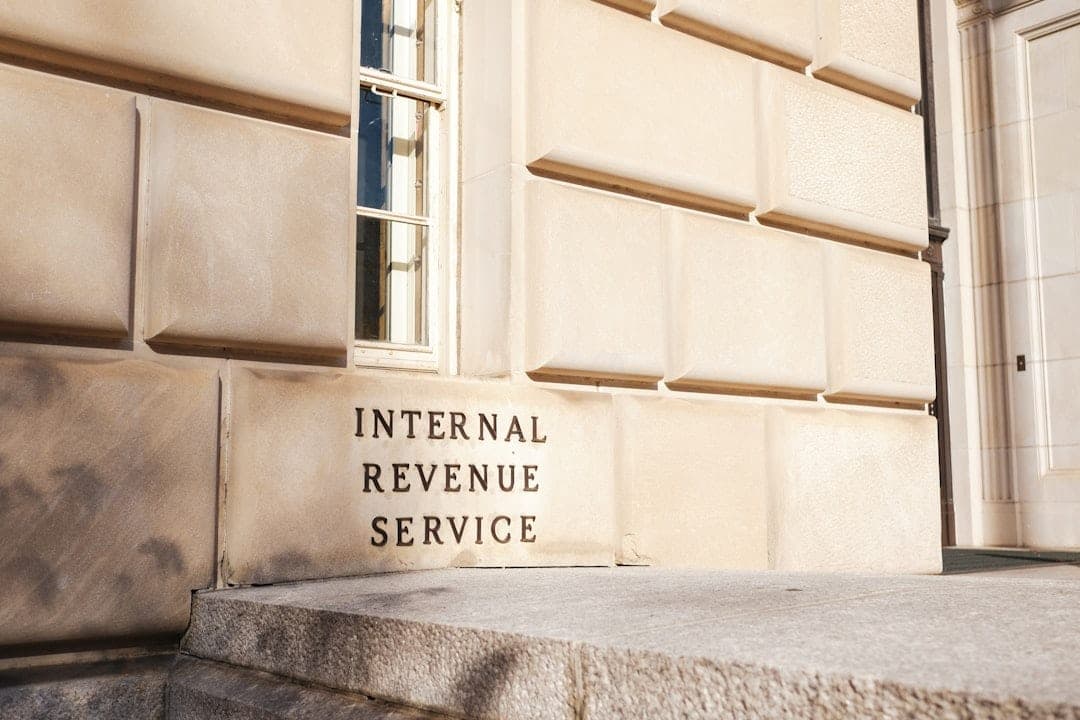
Master Your Tax Return with Smart Financial Advice
The blog explains how tax returns only reflect past performance and why forward looking advice makes a real difference. It contrasts traditional compliance with proactive planning to boost cash flow, reduce anxiety, and secure long term wealth. Empower your finances today.

Ultimate Guide to ATO Lodgments & Payments
Millions of Australians interact with the ATO each year to lodge returns, pay tax, and manage activity statements. This guide explains the importance of timely lodgments, outlines legal obligations, and offers a practical pathway to compliance, whether you’re a sole trader, company director, or individual salary earner.

Bookkeeper vs Accountant: Ultimate Guide for Aussie Biz
Australian business owners often struggle to decide between hiring a bookkeeper or an accountant. This guide explains the roles of each professional—from day-to-day BAS filing to strategic tax planning—and offers tips on staying compliant, preserving cash flow, and facilitating business growth.

Ultimate Guide to R&D Tax Incentive for Aussie SMBs
Australian small businesses power their growth with innovative ideas and the R&D Tax Incentive. This guide explains in plain language how the incentive works, how to qualify, and how every dollar of innovation can turn into cash back from the ATO. Discover the simple steps to claim what’s rightfully yours.

Ultimate BAS Due Dates 2026: Avoid ATO Penalties!
Master BAS reporting for 2026, stay GST compliant & avoid penalties. Discover key due dates now!

How Do High Income Earners Reduce Taxes in Australia? Smart Strategies for 2025
Discover how high income earners reduce taxes in Australia with proven strategies for 2025, super, trusts, franking credits, negative gearing and more.
Schedule an appointment with an industry-specific expert
Simplifying finance for businesses, we handle the complexities. With EEA Advisory, you focus on your passion and we take care of your financial journey.