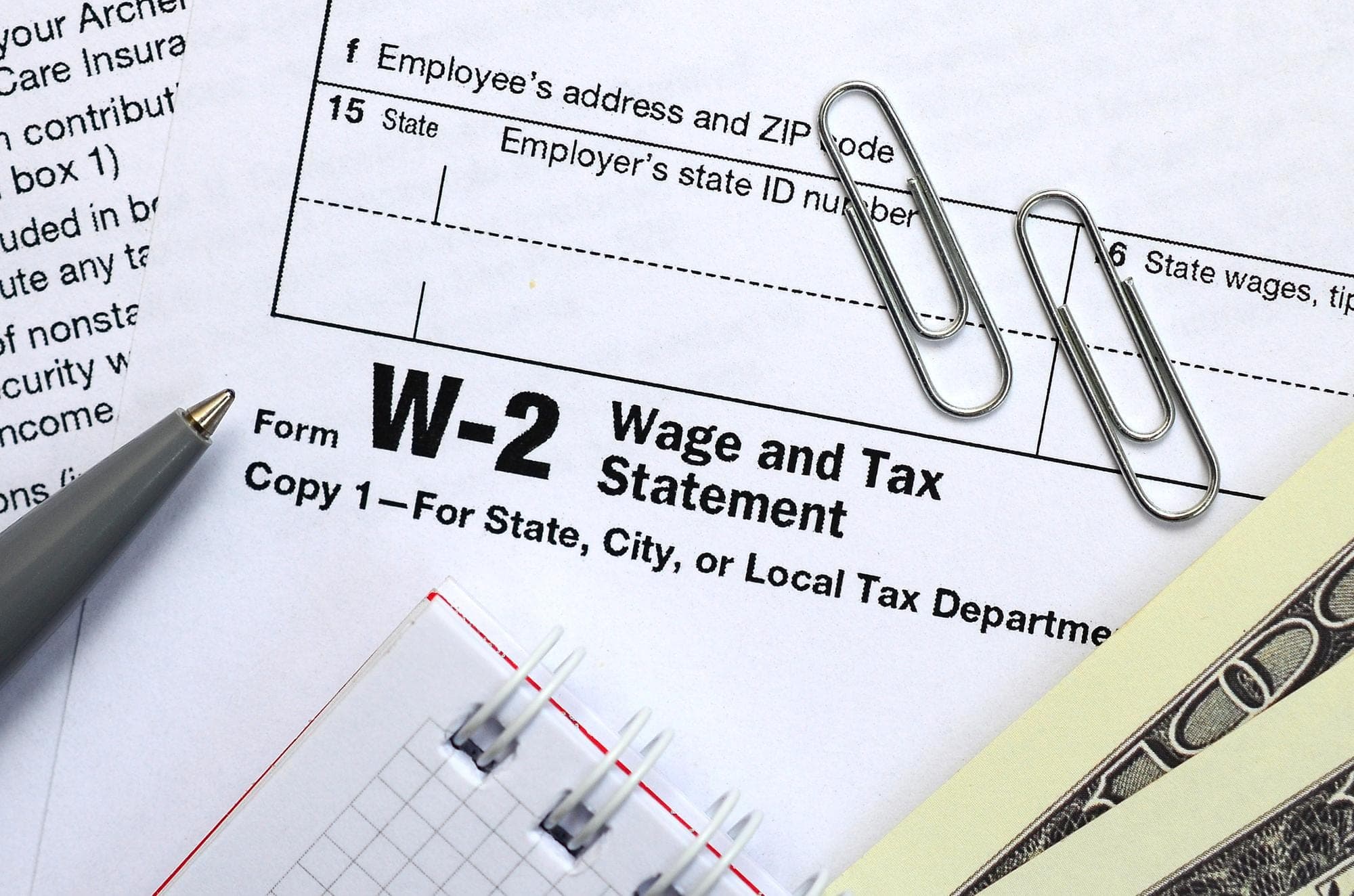

TPAR due 28 August is a date that sneaks up on many Queensland businesses that pay contractors. Miss it and the Australian Taxation Office can reach straight into your cash flow through Failure to Lodge penalties. Meet it and you sidestep an avoidable cost while keeping your contractors and the ATO happy. This guide unpacks who must lodge, what the penalties look like in dollar terms, and exactly how to get back on track if your Taxable payments annual report is already late.
What the Taxable payments annual report is and why the ATO cares
The Taxable payments annual report, better known as TPAR, sits inside the wider Taxable Payments Reporting System. Canberra designed the system to tackle the cash economy and to help match contractor income with the amounts they actually declare. When a business pays a contractor for certain services, that payment may be invisible to the tax office unless the business reports it. The annual report closes that gap by forcing payers in nominated industries to tell the ATO who they paid, how much they paid and the contractor Australian Business Number.
Although the rules come from Commonwealth legislation, the obligation applies equally in every state and territory. A painting company in Cairns, a cleaning firm in Townsville and an IT consultancy in Brisbane fall under the same federal umbrella. There are no Queensland specific variations.
Behind the obligation is a simple purpose. The data feeds straight into the contractor tax return pre fill and risk engine. If the income in the contractor return is lower than the amount reported by customers, red flags pop up. More than three million contractors now have pre filled TPAR income each year, which shows how much the system has grown since it started with building and construction in 2012.
Queensland businesses that must lodge by 28 August
A business needs to lodge a TPAR when it meets two tests. First, it operates in one or more of the nominated service categories. Second, payments for those services make up at least ten per cent of the business total income for the year. That ten per cent calculation is based on gross income, not profit.
The service categories that trigger the report are building and construction, cleaning, courier including gig delivery, road freight, information technology and security investigation or surveillance. A Sunshine Coast builder paying subcontract carpenters ticks the building and construction box. A Gold Coast courier company paying owner drivers ticks both the courier and road freight boxes, and combines them for the ten per cent test. A Brisbane managed service provider that outsources coding work to contractors ticks the information technology box.
The rule only looks at contractor payments. Wages to employees never go into TPAR. Nor do payments to suppliers of goods only. If a Toowoomba electrician buys cables or switches from a wholesaler, that payment is outside the reporting net. Pay the wholesaler to install those cables on site, however, and the labour component would be a contractor payment that must be captured.
Government entities in Queensland, such as local councils, also lodge TPAR for certain grants and for contractor payments in any of the listed services. The due date is the same.
Understanding the 28 August deadline and what needs to be lodged
The report covers payments made in the previous financial year that ended on 30 June. The clock starts ticking from 1 July, giving businesses eight full weeks to prepare and lodge. For the 2025–26 income year, the report must reach the ATO no later than 28 August 2026.
The information that goes into the report for each contractor is name, address, ABN and the total amount paid including Goods and Services Tax. If any tax was withheld because the contractor did not quote an ABN, that withholding is also included. The easiest way to lodge is online through ATO Online services for business or through Standard Business Reporting enabled accounting software. Registered tax or BAS agents can lodge through their own portals. Paper forms are being phased out, and after 28 August 2025 the tax office will no longer accept them for most entities.
If the business checks its income and confirms it does not reach the ten per cent threshold for the year, it should tell the ATO by submitting a Non Lodgment Advice. The advice prevents reminder letters and removes any uncertainty about future compliance action.
The financial sting of missing the TPAR deadline
The ATO enforces late lodgment through the Failure to Lodge on time penalty regime. The penalty is calculated in penalty units, with one unit imposed for each 28 day block the report is outstanding, capped at five units. The penalty unit value is indexed. From 1 July 2026 a single penalty unit is 364 dollars.
Here is how the cost escalates for a small entity
| Days late | Penalty units | Approximate penalty in Australian dollars |
|---|---|---|
| 1 to 28 | 1 | 364 |
| 29 to 56 | 2 | 728 |
| 57 to 84 | 3 | 1,092 |
| 85 to 112 | 4 | 1,456 |
| 113 to 140 or more | 5 | 1,820 |
Medium withholders pay twice the above amounts and large withholders pay five times. Significant Global Entities, although rare in Queensland, face a multiplier of five hundred. That can push a single late TPAR penalty beyond 600,000 dollars.
The penalty is applied per document. A courier company that forgets to lodge three years in a row could face three separate penalties running at full cap, which for a small business would be 5,460 dollars at current unit values.
Penalties are not always applied automatically on day twenty nine. The tax office usually sends at least one reminder letter before issuing an assessment. However, reminders are not a right and in recent years the ATO has shortened its grace period for TPAR because the data is critical for contractor tax time compliance.
How the ATO enforces late or missing TPARs
The compliance process often begins with a gentle digital nudge. Businesses linked to online services see an in portal message in early August reminding them of the approaching deadline. Those who miss the date receive a reminder letter in September. If the report remains outstanding after further prompts the ATO issues a Failure to Lodge penalty assessment.
Once the penalty is raised, it is payable immediately. Interest accrues on unpaid penalties if they remain overdue. The ATO can offset refunds from other accounts or issue garnishee notices to collect the debt. Directors of companies remain personally liable for certain tax related debts under director penalty provisions, although TPAR penalties themselves are not presently included. Repeated non compliance raises the risk of a full audit and additional administrative penalties that can reach seventy five per cent of any resulting tax shortfall.
The tax office may also estimate contractor payments and issue default assessments where it believes income has been under reported. That step is rare for small TPAR cases but becomes more likely if a pattern of ignoring lodgment obligations emerges.
Fast track plan for overdue lodgment
A business that realises it has missed the deadline should move quickly because each 28 day block compounds the eventual cost. The first step is to confirm whether a report is needed or whether a Non Lodgment Advice will suffice. Checking the percentage of total income derived from the listed services for the relevant financial year gives the answer.
If a report is needed the business should collect contractor details from invoices or bookkeeping software. Most current software can export a TPAR file in the required Standard Business Reporting format. If not, details can be entered directly through ATO Online. Registered agents can lodge on behalf of multiple related entities which saves time where a group structure is involved.
Once lodged the business will receive an online confirmation. If a penalty notice has already arrived, the business can request remission. The ATO considers factors such as illness, natural disaster, or whether the entity took reasonable care but was genuinely unaware of the obligation. Supplying evidence, such as medical certificates or insurance claims, improves the chance of a successful remission. Historically, the ATO is more lenient for first time offenders who correct their position promptly and who maintain good compliance history across other obligations like BAS and PAYG withholding.
If further time is needed, for example because contractor details are incomplete, the business or its agent can ring the ATO early and explain the situation. The ATO may grant a lodgment deferral that stops the penalty clock for the period of the deferral. Deferrals are far easier to obtain before penalties are raised than afterwards.
Staying penalty free in future
The simplest defence against TPAR penalties is routine data collection. Every time a contractor is engaged the business should record the ABN, trading name, address and agreed payment terms. Including those fields on supplier onboarding forms turns a mad scramble in July into a straightforward report in July.
Many Queensland trades and service businesses already track contractor invoices in cloud accounting platforms. Most platforms have a TPAR tagging feature that marks eligible bills as they are entered. Running a report on 30 June then gives the final numbers with no extra data entry.
Marking 28 August in the compliance calendar is another low cost habit. Pair it with other fixed business dates such as PAYG instalment deadlines, superannuation guarantee due dates and the due date for the annual ASIC review fee. Reminders can be set on smartphones, shared calendars, or in accounting software dashboards.
If the business is growing, it pays to revisit the ten per cent income test each year. A start up IT consultancy might be below the threshold in year one, especially if it only outsources small tasks to contractors. In a growth year, contractor costs can skyrocket and suddenly the business is well above the line. Submitting a Non Lodgment Advice in low contractor years keeps the ATO informed and avoids future confusion.
Frequently asked questions
When is the TPAR due each year
The report is due on 28 August for payments made in the previous financial year that ended on 30 June.
Which Queensland businesses must lodge a TPAR
Any business or government entity that pays contractors for building and construction, cleaning, courier, road freight, information technology or security investigation or surveillance services and where those payments make up at least ten per cent of total income must lodge.
What happens if I lodge my TPAR late
The ATO can impose a Failure to Lodge penalty calculated as one penalty unit for each 28 days or part thereof that the report is overdue, capped at five units, with multipliers for medium, large and global entities.
How much can penalties cost a small Queensland business
At the penalty unit value of 364 dollars effective 1 July 2026, a small entity that is more than 113 days late faces the maximum penalty of 1,820 dollars for a single TPAR.
Do I need to act if TPAR does not apply to my business
Yes. Lodging a Non Lodgment Advice tells the ATO you are aware of the obligation and confirms no report is required for that year.
Can penalties be remitted for genuine reasons
The Commissioner has discretion to remit penalties where events such as serious illness, natural disaster or other circumstances outside the business control caused the delay. A prompt lodgment and good overall compliance history help secure remission.
Will my contractors be affected if I fail to lodge
Yes. The tax office uses TPAR data to pre fill contractor returns and to verify their declared income. When data is missing contractors may receive queries or audits which can damage the business relationship.
Final word for Queensland businesses
The TPAR is a once a year obligation but it carries real financial teeth if ignored. Queensland businesses that pay contractors for building, cleaning, courier or other covered services only need to lodge a single report each year, yet thousands miss the 28 August deadline and pay the price. Knowing the rules, keeping contractor records up to date and setting calendar reminders keep you clear of Failure to Lodge penalties. If you have already missed the date, act today, lodge as soon as possible and talk to your advisor about penalty remission. The sooner the report is in, the cheaper the lesson.