
EEA Advisory

Cutting costs or increasing your prices? We can help

EEA Advisory

6 December 2024 · 3 min read

Share

With many businesses are expecting lower profits this financial year, the more prepared you can be for the unexpected, the better. Talk to us about smart ways to get your costs under control or whether you need to increase your prices.

man standing in front of group of men

With many businesses expecting a lower profit this financial year, the more prepared you can be for the unexpected, the better. Managing expenses is a good idea at any stage in your business and you can also consider increasing your prices to improve your margins.

Smart ways to get your costs under control

Cashflow has been a big issue for thousands of businesses this year, and when the money’s not rolling in, it can help to rethink your costs. To do it effectively involves more than just keeping an eye on outgoings. It’s about looking at all the moving parts of your business to see if your systems (or lack of) are costing you unnecessarily. Here’s how:

  • Muck in – Do a cost control audit to work out where your big cost centres are, and look at your systems for managing them.
  • Be aware – Don’t just slash your expenses without considering impacts. Also track costs and look out for opportunities to trim fat or take a different approach to get the same result.
  • Unite your team – Bring everyone together to monitor and analyse inputs and expenses. Reviewing and developing your systems? Get your team’s feedback.
  • Look to your peers – How do your costs compare to others? If a business of a similar size and production system to you is performing well, but spending less, explore what they’re doing differently.
  • Seek advice – Got a good idea of where the issues are, or feeling totally confused? Talk to your advisors about your next steps.

How can I put my prices up without losing customers?

If you need to change your pricing to make ends meet, be honest and up-front with your customers at all communication points.

  • Make it clear on your website and social media that prices have changed and why.
  • Send an email to let all your clients and suppliers know about the changes.
  • Meeting people face-to-face? Make sure they’re aware of the price hikes before they’re invoiced, no one likes a nasty surprise and many countries and regions have fair trading and/or consumer protection acts.
  • Provide the best customer experience you can by updating staff on any changes and advising them on how to communicate these with customers.
  • Worried you’ll lose fans? Consider staggering price increases of individual products over time.

Get in touch if you’d like us to help with an analysis of your margins and expenses.

More articles

Business professionals discussing value of selling a business in Australia.
business-financestrategy

What Is Your Business Worth When You Sell in Australia

Selling your business in Australia requires understanding its true worth and the many factors that shape the final sale price. This guide explains how professional valuers use earnings, assets and risk assessments to measure value. With clear Australian examples and fresh data, the article shows how planning ahead can help you prepare for lawyer, accountant and tax office costs. It offers practical steps that turn valuation into a strategic tool for success.

7 June 2026 · 12 min read
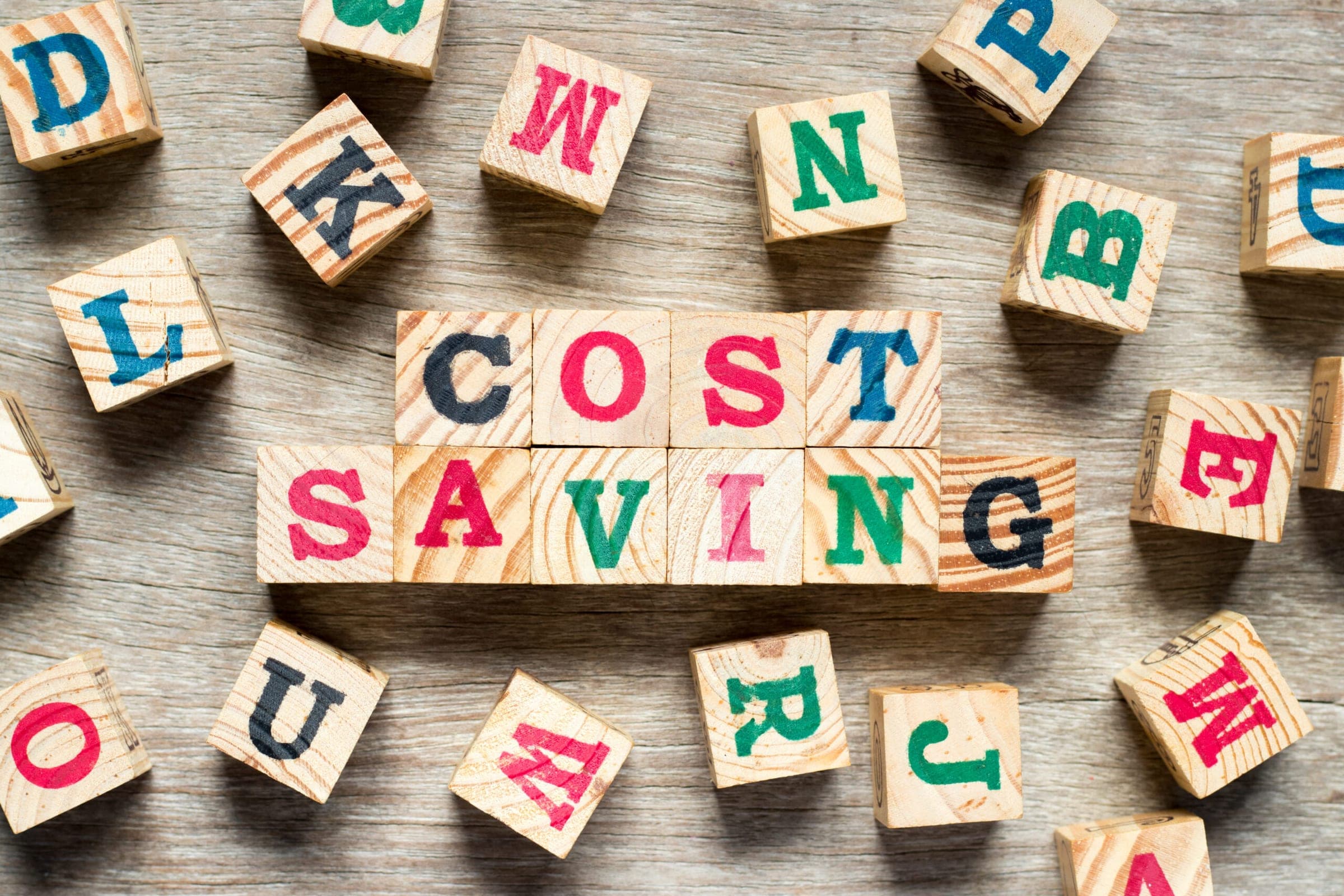
Colorful wooden blocks spelling 'Cost Saving' for debt recycling article.
business-financewealth-management

How Debt Recycling Works for Australian Business Owners

Australian business owners can benefit from debt recycling which converts non deductible mortgage debt into tax deductible investment debt. This strategy uses spare cash to reduce the principal on the home loan while reborrowing funds for investment. Over time more of the interest expense becomes deductible and investment wealth builds gradually. The guide explains how to implement debt recycling safely and compliantly with practical steps for success.

4 June 2026 · 14 min read
Professionals discussing NDIS provider accounting with charts and graphs.
business-financendis

NDIS provider accounting and tax compliance — sole-trader vs company structure

Choosing the right business structure plays a crucial role for NDIS providers in Australia. In this article we explain how operating as a sole trader offers simplicity, lower cost and fewer administrative demands. However a proprietary limited company provides stronger liability protection and better opportunities for growth when managing larger service agreements and investors. Readers will gain insight on how each structure affects tax, governance and compliance obligations, helping them align their risk appetite and future plans with the most suitable option.

27 May 2026 · 12 min read

Schedule an appointment with an industry-specific expert

Simplifying finance for businesses, we handle the complexities. With EEA Advisory, you focus on your passion and we take care of your financial journey.

An EEA Advisory team member