
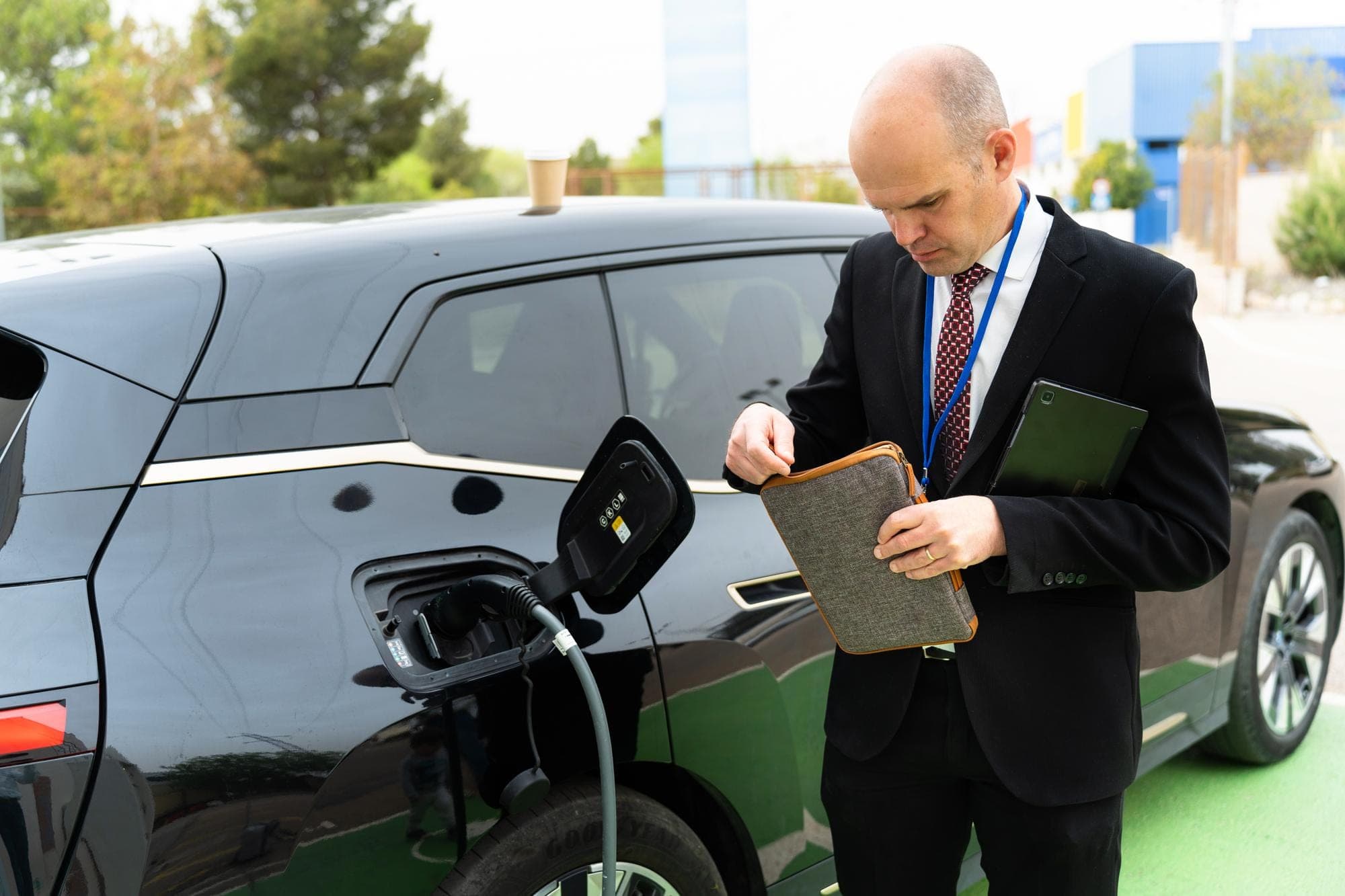
Australia’s electric car Fringe Benefits Tax exemption is not vanishing overnight. Under current law employers and employees can enjoy a full FBT saving on eligible battery electric and hydrogen fuel cell cars until 31 March 2027. From 1 April 2027 the concession begins to taper and after 1 April 2029 the same vehicles, provided they sit under the luxury car tax threshold, will still gain a twenty five per cent discount on the taxable value rather than the complete waiver seen today. Plug in hybrids already face an earlier cut off that arrived on 1 April 2025. Understanding this timetable helps businesses, salary packaging providers and drivers lock in the best outcome before each milestone arrives.
Understanding the Electric Car FBT Exemption
The Commonwealth introduced the exemption through amendments to the Fringe Benefits Tax Assessment Act in late 2022. The policy aim was clear. Electric cars cost more up front than equivalent petrol vehicles and the government wanted to remove a tax barrier that discouraged fleets and employees from choosing zero emission technology. By wiping out the FBT normally payable on a car benefit, the legislation gave salary packaged drivers thousands of dollars in annual savings and offered employers lower on-costs.
To qualify a vehicle must satisfy three tests. It must be a battery electric, hydrogen fuel cell or other zero emission design rather than a conventional petrol or diesel model. Second, the car must be first held and used on or after 1 July 2022 so an older fleet asset cannot be grandfathered into the concession. Third, the purchase price must sit below the luxury car tax threshold for fuel efficient vehicles in the year the car is first made available. That threshold sits well above the mainstream EV market so most models under seventy five thousand dollars drive straight through.
The ATO confirms that when the exemption applies it also covers many associated running costs. Electricity, servicing, registration and certain insurance premiums can all be salary packaged without fringe benefits tax so long as they relate to the exempt vehicle. That combination of up-front and ongoing relief supercharges the total benefit.
Current Rules in Plain English
Right now every eligible electric car delivered to an employee or company officer through a novated lease, company fleet agreement or other arrangement enjoys a full FBT waiver. Employers still report the benefit on payment summaries so an employee’s reportable fringe benefits amount may rise but no tax is actually payable. The removal of tax liability can reduce the effective salary deduction by more than forty percent for some workers compared with packaging an internal combustion car.
Nothing in present legislation places an expiry on that rule before 31 March 2027. If a contract is signed in 2026 and the car is delivered before the deadline the full exemption will apply for at least the remainder of that FBT year. The savings therefore remain real and immediate for the next twelve months and beyond for anyone who sources and delivers an EV in time.
Companies that use operating leases or straight purchase structures achieve the same outcome. The taxable value of the car fringe benefit becomes nil so the FBT return records the car as exempt. Payroll systems still need to capture the notional value for reportable purposes but no cash moves to the ATO.
The Three Phase Transition Explained
Legislators signalled that the concession could not remain open ended at its current generosity. A step-down model now sits in law. It sets three key phases that will run unless a future Parliament votes to alter them.
Phase one full exemption until 31 March 2027
The first period is the easiest to understand: nothing changes. Any eligible zero emission car made available in this window attracts a taxable value of zero. The law intentionally chose the final day of the FBT year rather than the financial year so employers did not need to apply two regimes inside a single annual return.
Phase two taper from 1 April 2027 to 31 March 2029
From the first day of the 2028 FBT year the concession starts to reduce. The Act allows the government to set regulations that define how the taper will work. Treasury statements and large advisory firms expect a progressive approach based on purchase price, though the exact sliding scale still awaits finer detail. Market commentary including several fleet consultants suggests that cars above about seventy five thousand dollars are likely to lose the full benefit first while mainstream models below that figure keep the exemption for a further two years. Employers will need to monitor ATO guidance during 2026 to lock in procurement strategies.
If a vehicle qualified under phase one and continues in the fleet into phase two its treatment will depend on that scale. Many advisers expect grandfathering to soften the blow yet the legislation gives room for a uniform taper that hits all existing contracts. Companies should budget for some exposure even on carried forward leases.
Phase three twenty five per cent discount from 1 April 2029 onward
The final stage removes the total waiver and replaces it with a permanent discount. Eligible electric cars under the luxury car tax threshold will have only seventy five per cent of their taxable value counted for FBT purposes. In other words one quarter of the taxable value stays exempt. That still provides meaningful relief compared with petrol cars yet obviously not the dollar for dollar saving that early adopters enjoy. Organisations with large fleets predict that battery prices will keep falling so the residual discount may eventually match the cost difference that remains between EVs and combustion cars.
The law sets no further sunset after this date. Unless a later bill intervenes the twenty five per cent discount becomes the steady state incentive for zero emission fringe benefits.
Impact on Different Price Brackets
Price matters because the luxury car tax threshold acts as an on off switch. A car valued above the threshold cannot claim the concession at any stage. High end models from Tesla, Mercedes EQ and similar brands already sit at risk of falling outside the range, especially once on-road costs nudge the figure upward.
The table below outlines how value bands align with each phase under the most widely accepted interpretation of the coming regulations. Note that final taper brackets for phase two remain subject to regulations yet to be tabled, so the mid band below is indicative rather than definitive.
| Period | Benefit | Who qualifies |
|---|---|---|
| Until 31 Mar 2027 | Full exemption | All eligible zero emission cars below the LCT threshold |
| 1 Apr 2027 to 31 Mar 2029 | Likely taper, full exemption for lower priced EVs | Cars expected to sit under roughly 75 000 dollars, precise range to follow |
| From 1 Apr 2029 | Twenty five per cent discount | Zero emission cars under the LCT threshold only |
Buyers aiming to secure a full exemption therefore have a clear incentive to place orders well before the end of 2026, especially for vehicles whose price could creep above any forthcoming taper threshold. Conversely budget EVs such as the MG4 or BYD Dolphin may still secure the waiver during the early part of phase two, giving some breathing space for slower decision makers.
What this Means for Employers and Salary Packaging
Human resources teams and fleet managers need to integrate the timeline into policy documents now. When promoting novated leasing within a remuneration package the employer statement must explain that any quote based on a full FBT exemption holds true only if the vehicle is delivered and available for private use before the relevant cut off. Procurement teams may decide to front-load orders to maximise the tax advantage for staff.
Leasing companies will likely adjust residual values and lease rentals as the future FBT liability shifts. An employee taking a five year lease in late 2026 will benefit from almost one full FBT year at zero tax, then two years of possible taper and two final years at the twenty five per cent discount rate. The lease payment must reflect that blended exposure otherwise a nasty cost surprise could emerge in later years. Transparent modelling of each FBT period inside the lease term helps avoid disputes.
Some employers choose to pay the FBT themselves rather than pass it to staff. For those businesses the exemption acted as an instant saving to the profit and loss statement. As the benefit winds back finance teams must budget for a growing tax expense. The staged approach offers time to grow the capital budget or to shift procurement toward lower priced vehicles that may maintain more generosity.
Plug in Hybrids and Other Edge Cases
Plug in hybrid electric vehicles once enjoyed the same FBT concession provided they met the emissions definition inside the Act. Lawmakers removed that access effective 1 April 2025. A grandfathering rule allows a PHEV first held and used before that date to keep the exemption until the end of the lease or until it leaves the fleet. Anyone relying on a PHEV benefit now needs to confirm the delivery date sits safely before the cut off. New PHEV orders placed today no longer qualify.
Range extender vehicles that include a petrol generator but drive the wheels only by electric motors occupy a greyer area. Some advisers argue they remain zero emission at the point of wheel rotation and therefore qualify. The ATO has not issued a definitive ruling on every model so written clarification should be obtained before assuming eligibility.
Companies that fit after-market electric conversions to older utes or vans must also tread carefully. The legislation requires the car to have been designed to be propelled solely by electric power. A conversion may not meet that wording. Private rulings will remain the safest path for bespoke builds.
Compliance and Record Keeping
An exempt benefit still demands normal FBT paperwork. Employers must maintain odometer records, operating cost evidence and employee declarations. Although the taxable value becomes nil, the car must be shown on the FBT return with code E and the ATO may ask for supporting material. Failure to keep records exposes the company to penalties now and later when the taper arrives and the taxable value becomes positive once more.
Employees need to remember that reportable fringe benefits can affect government payments and income tested thresholds. Salary packaging providers should advise clients that even an exempt electric car may push the reportable amount above eighteen thousand dollars and therefore impact HELP repayment levels or childcare subsidies.
Strategies Before and After 2027
Drivers considering an electric vehicle can still extract maximum savings by confirming a novated lease or employer provided vehicle well before March 2027. Supply chain delays have improved yet popular models may still require a six to nine month wait from order to delivery. Building that buffer into the timeline protects the full exemption.
For organisations with rolling replacement cycles, bringing forward deliveries that fall due in late 2027 or 2028 could lock in an extra year of full saving. Alternatively a company might switch to shorter lease terms so that contracts due to start during phase two or three run only for three years rather than five, thereby containing exposure to the partial concession period.
Those who cannot move before the cut off should model the twenty five per cent discount against anticipated vehicle costs. Even at the lower concession level an electric car can outshine a petrol model on total cost of ownership once fuel and maintenance savings enter the calculation. Energy tariffs, charger installation grants and state registration rebates further tilt the numbers.
Frequently Asked Questions
Does the electric car FBT exemption really end
Not in a single jump. The full waiver stays in place until 31 March 2027 then a two year taper period starts. From 1 April 2029 eligible electric cars under the luxury car tax threshold will still enjoy a permanent twenty five per cent discount on their taxable value.
Will existing leases signed before 2027 keep the full benefit for their entire term
The Act does not guarantee grandfathering beyond the phase one period. In the absence of new regulations those leases will move into the taper and later discount regime like any other arrangement. Employers and employees should plan for that shift.
What happens if my electric car costs more than the luxury threshold
A vehicle above the threshold never qualifies for the exemption or the later discount. The employer must calculate FBT in the normal manner from day one regardless of delivery date.
Are second hand electric cars eligible
Yes, provided the car was first held and used by any employer or employee on or after 1 July 2022, and the current arrangement meets all other eligibility rules. The policy targets the first time the vehicle becomes a fringe benefit, not the age of the car itself.
How does the exemption interact with state incentives
State based rebates, stamp duty relief and registration discounts operate separately. Claiming a NSW rebate or Victorian registration concession does not affect eligibility for the federal FBT rule. Each layer delivers its own saving.
Can charities and not for profit bodies use the concession
Yes. The exemption reduces the taxable value so a public benevolent institution can provide an electric car as part of its salary packaging arrangements and keep the benefit within its existing FBT cap. That allows more headroom to package other items.
Where can I check the latest guidance
The ATO website publishes a dedicated page on zero and low emission vehicles. Treasury also issues explanatory statements when regulations about the taper are finalised. Professional advisory firms and fleet leasing companies regularly update clients once new detail appears.
Closing Thoughts
Australia’s electric car FBT landscape is shifting yet it remains attractive. A four year window of full exemption still lies ahead for buyers who act by March 2027 and even after the taper the long term twenty five per cent discount keeps electric vehicles on the right side of the cost ledger for many salary packages. By mapping out purchase timing, price points and lease terms now, employers and employees can navigate each phase with confidence, locking in savings that make the transition to zero emission motoring both environmentally and financially rewarding.